
One small
Step.
Man's race to the moon.
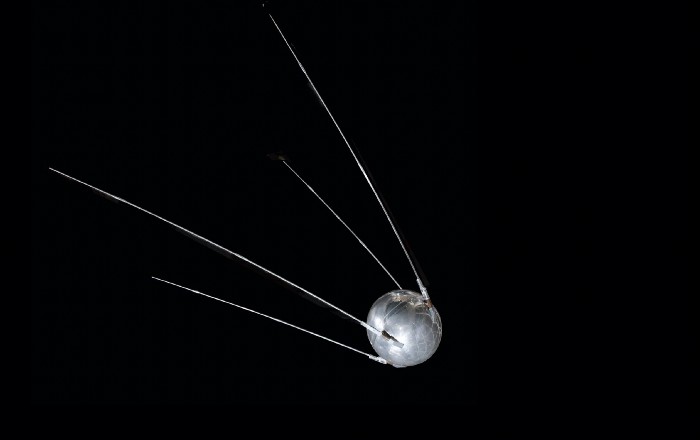
Russians launch the 1st artificial satellite. The 183-pound,
basketball-sized satellite orbited the earth in 98 minutes.
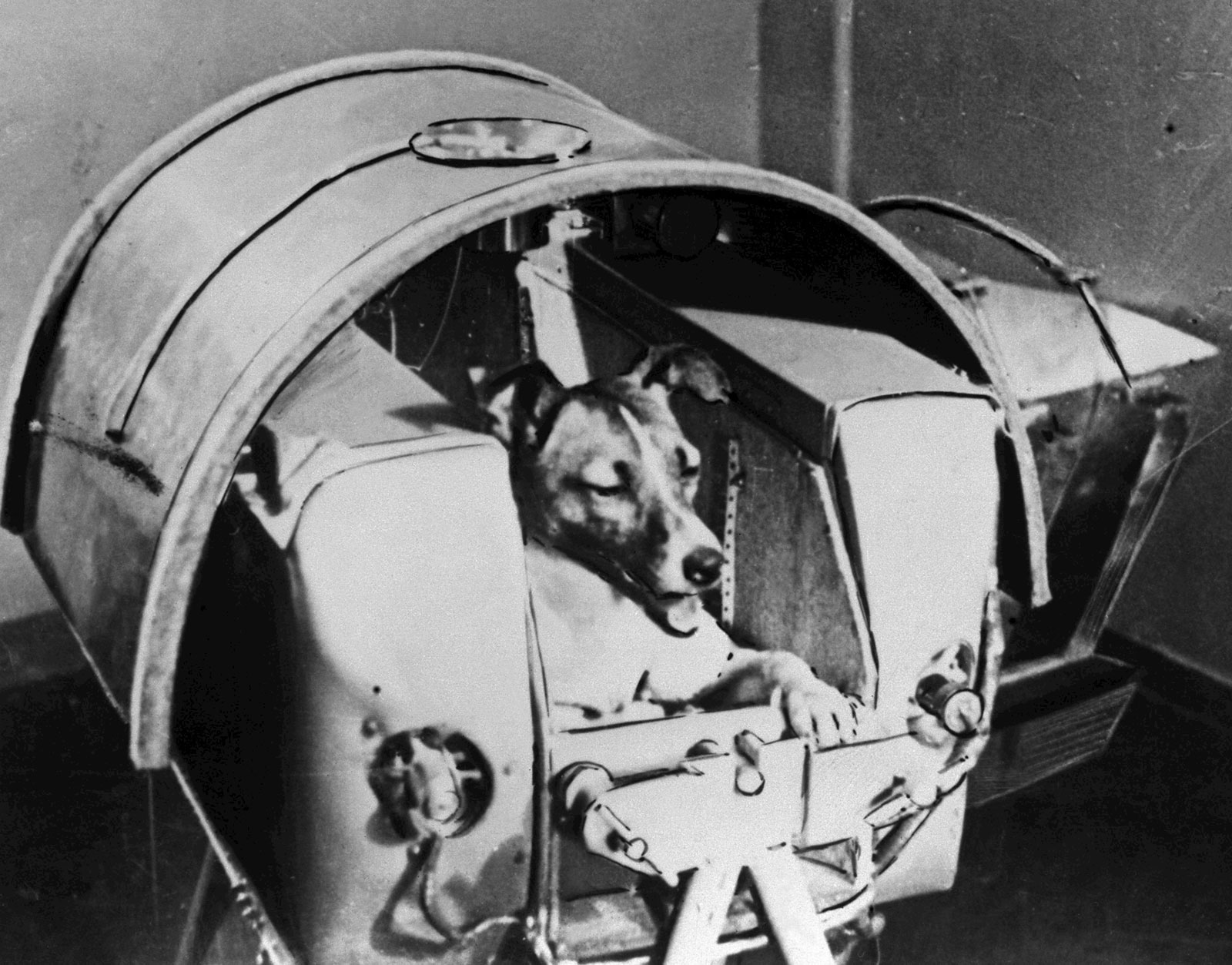
Laika (a street dog) becomes the 1st animal to travel in space.
She died from heart-related stress before reentry into earth.
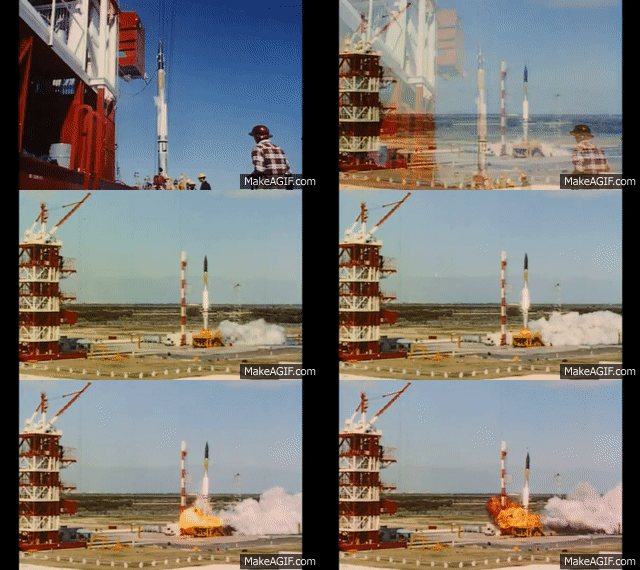
This was a project launched by the U.S. Army and was built by Caltech’s Jet
Propulsion Laboratory in Pasadena, California. The U.S. Navy's test of the Vanguard rocket, along
with its satellite payload, toppled over on the launch pad and exploded after its
malfunctioning first stage caused vehicle to lose thrust after two seconds.
- French daily Le Figaro
_____________________________________
January 31st
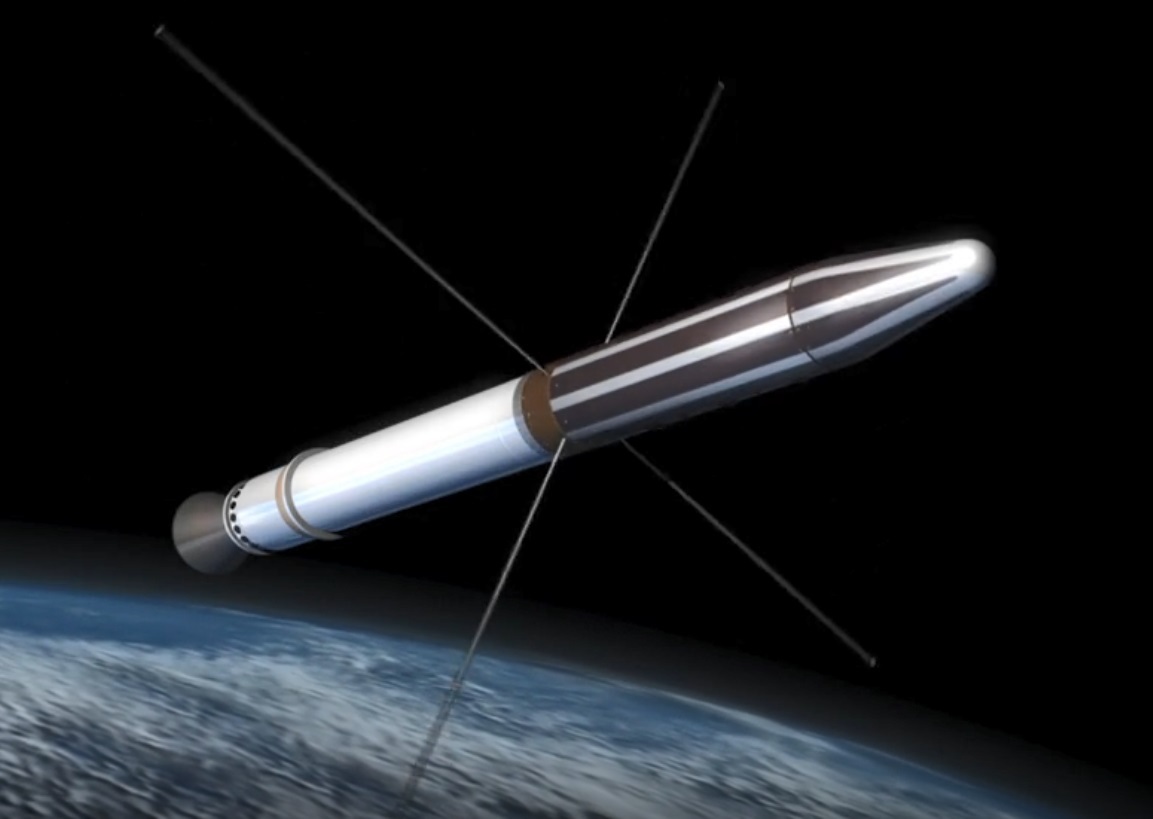
A U.S. satellite becomes the first orbiting object to
provide scientific data about space.
_____________________________________
July 29th
The United States Congress creates the National Aeronautics and Space Administration,
a civilian agency responsible for coordinating America’s activities in space.
NASA was created in response to the Soviet Union’s October 4, 1957 launch of its first satellite, Sputnik I
- NASA slogan
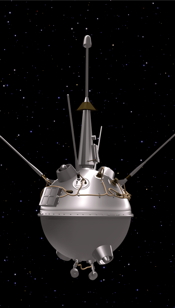
A probe (Luna 1) flies out to within 4,000 miles of the moon;
becoming the 1st spacecraft to go into heliocentric orbit.
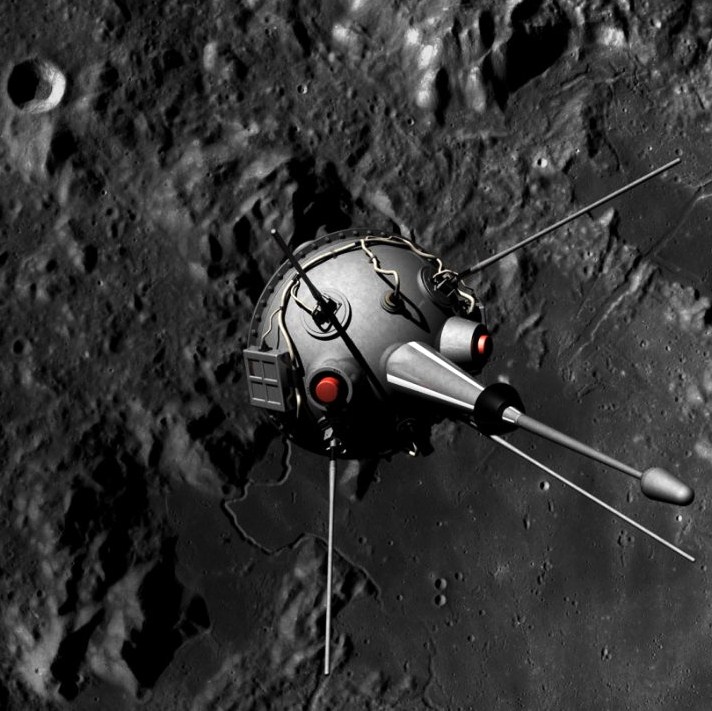
This Russian probe impacts the moon thus becoming
the 1st spacecraft to reach the moons surface.
_____________________________________
August 19th
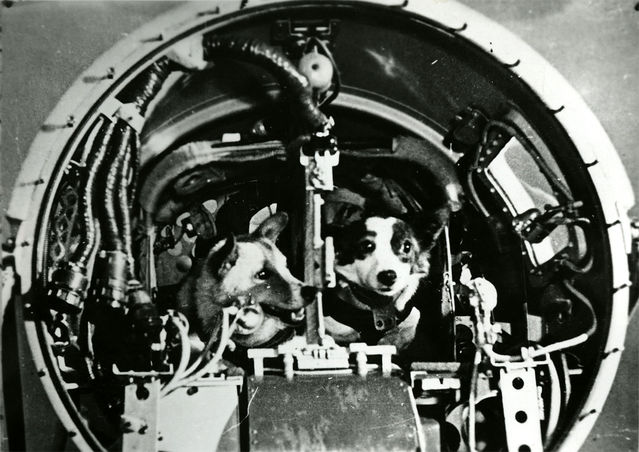
Belka and Strelka (2 dogs) along with a rabbit, 2 rats and
42 mice orbited the earth for 24 hours. They all survived.
- Yuri Gagarin
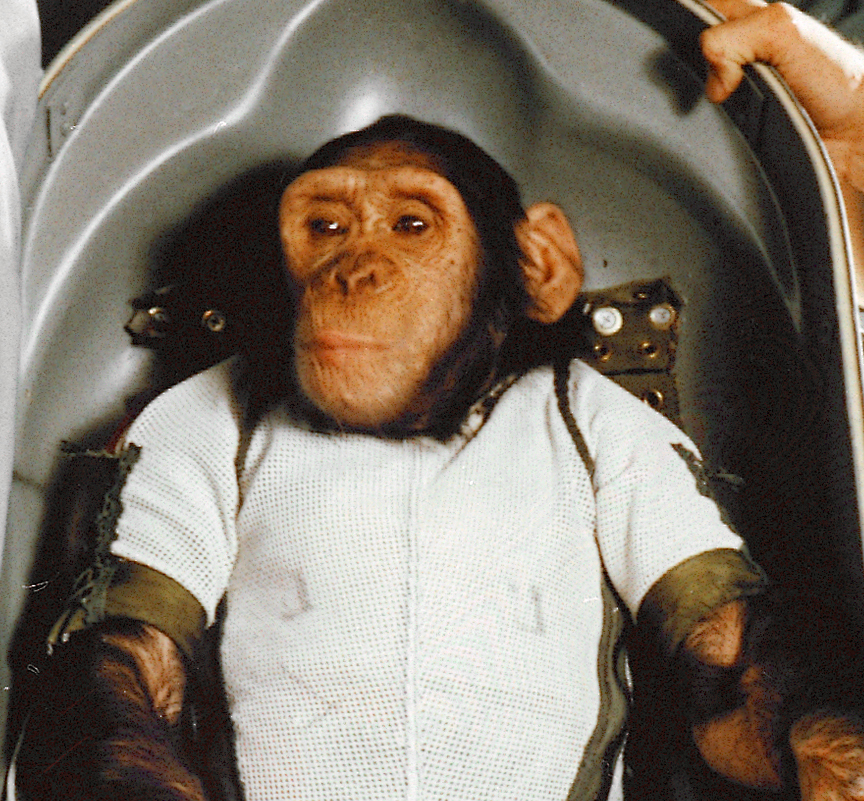
Ham (A chimpanzee) was sent to space to test the rocket, the capsule and the ability to
work in space and return safely, in preparation for the first American astronaut's
journey into space. This trip helped confirm that humans could safely make the trip.
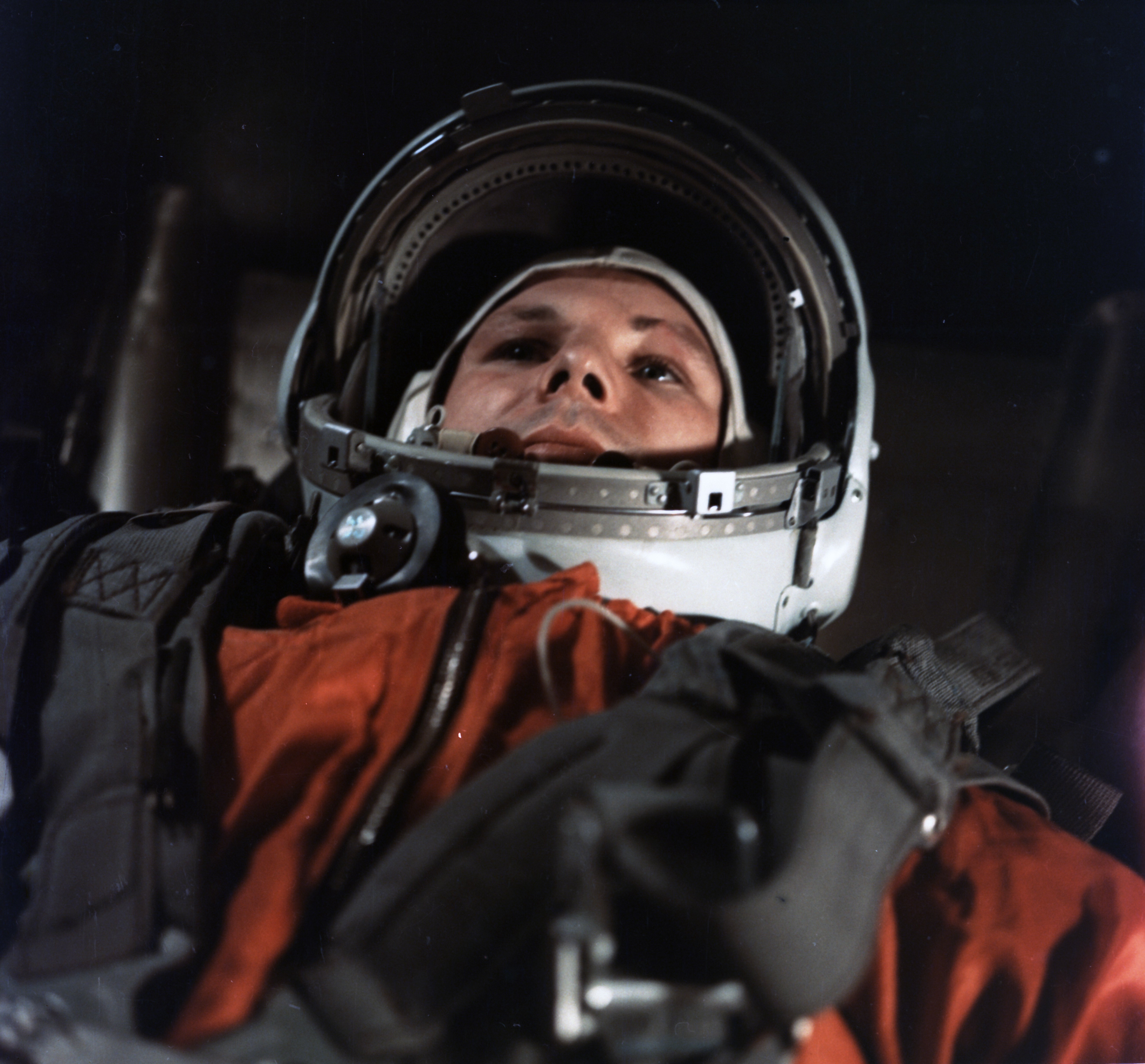
Yuri Gagarin orbited Earth once and landed near the Russian city of Saratov
becoming the first human orbital spaceflight in history, pushing the Soviet
Union ahead in the Space Race with the U.S. This pushed President John
F. Kennedy to declare that NASA would land humans on the Moon by 1970.
.jpg)
Alan B. Shepard Jr. becomes the first American in space.
The aim of the mission was to determine man's capabilities in a space environment
to which he will be subject upon going into and returning from space.
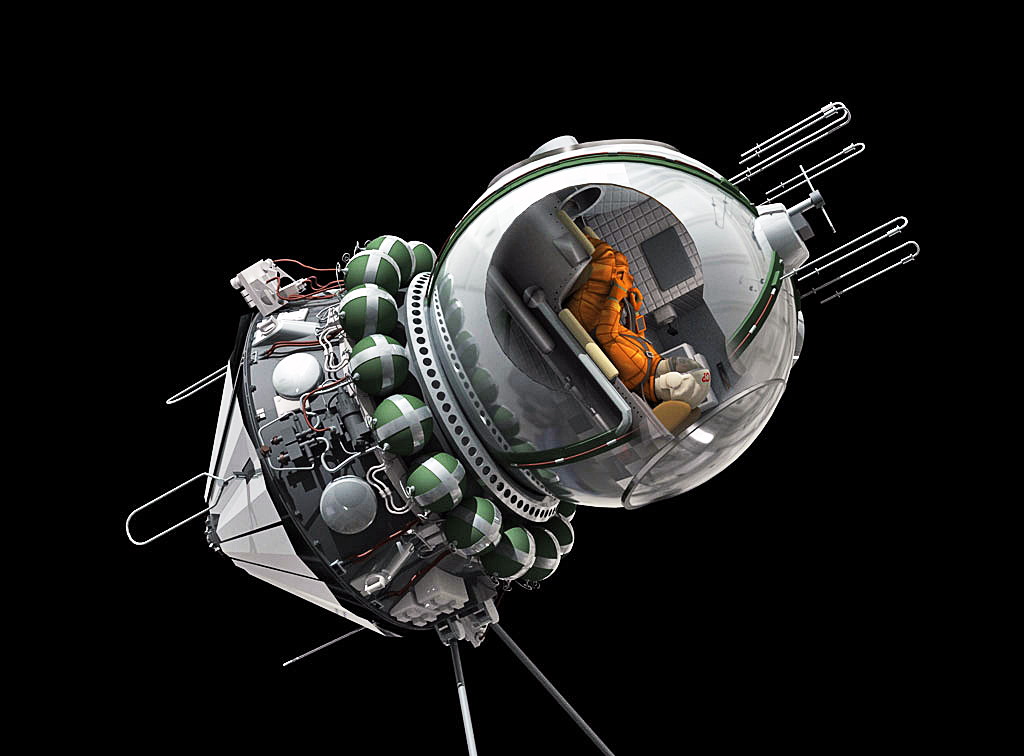
Gherman Titov becomes the 1st human to spend a full day in orbit to study
the effects of a more prolonged period of weightlessness on the human body.
-Yuri Gagarin
_____________________________________
April 26th
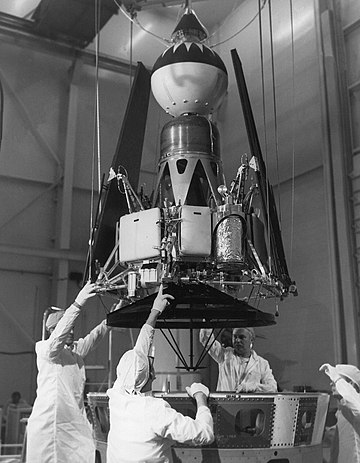
The Ranger 4 spacecraft, which was designed to collect data on interplanetary space,
photograph the moon up close and make a rough landing on the lunar surface, was
the first American spacecraft to reach another celestial body.
_____________________________________
September 12th
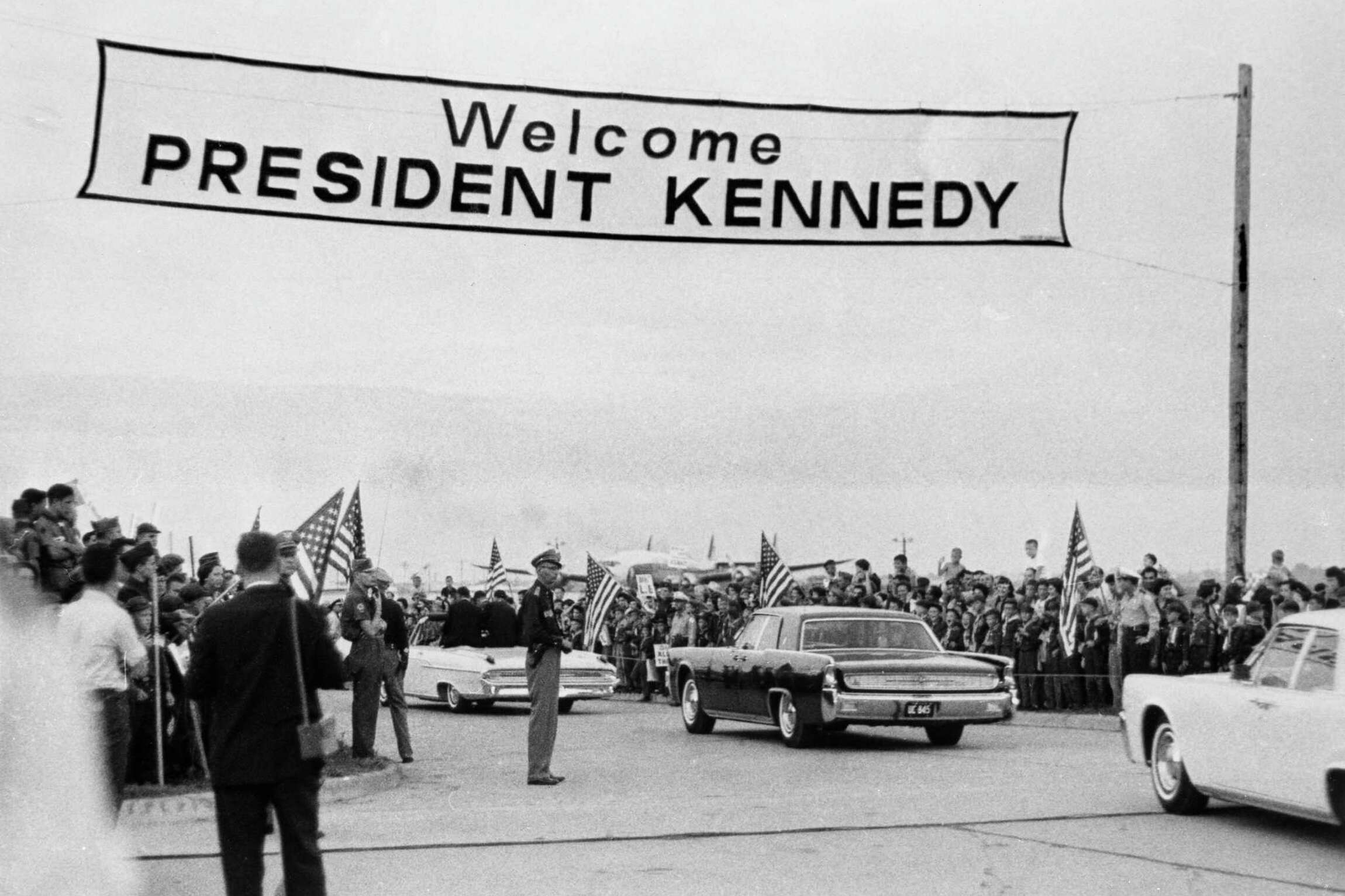
President John F. Kennedy stood in front of about 40,000 people in Rice
University’s football stadium to deliver his iconic speech. His goal, was for
the United States to land on the moon by the end of the decade.
- JFK
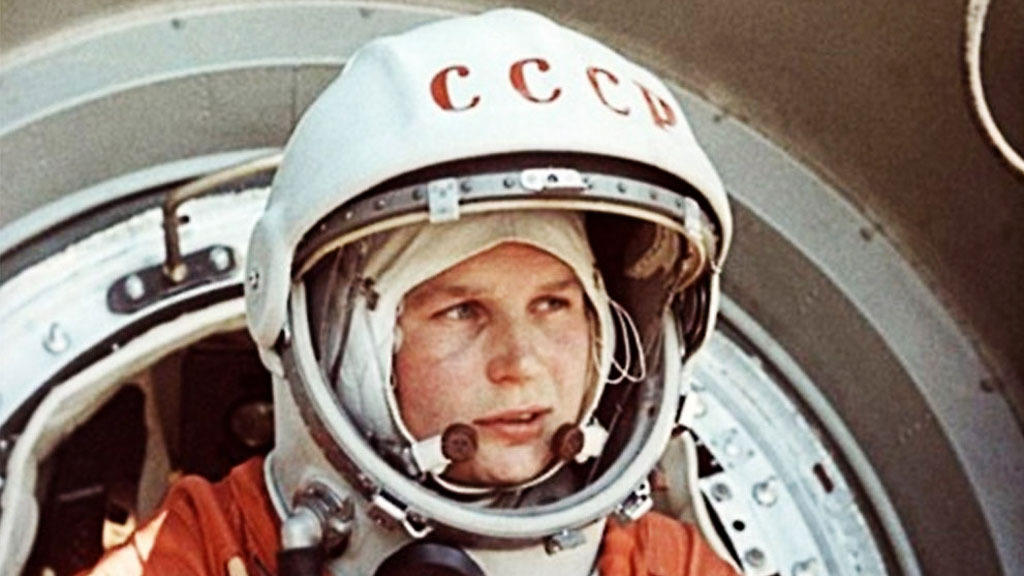
Vostok 6, the last spacecraft in the USSRs first manned flight series,
carried Valentina V. Tereshkova, the first woman in space.
-Valentina V. Tereshkova
_____________________________________
October 12th
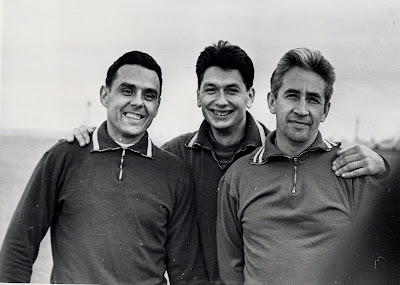
This was the 1st multi-person crew aboard a spacecraft flown by
cosmonauts (that were not wearing spacesuits) Vladimir M. Komarov, command
pilot, Boris B. Yegorov, physician and Konstatin P. Feoktisov, a scientist.
- Yuri Gagarin
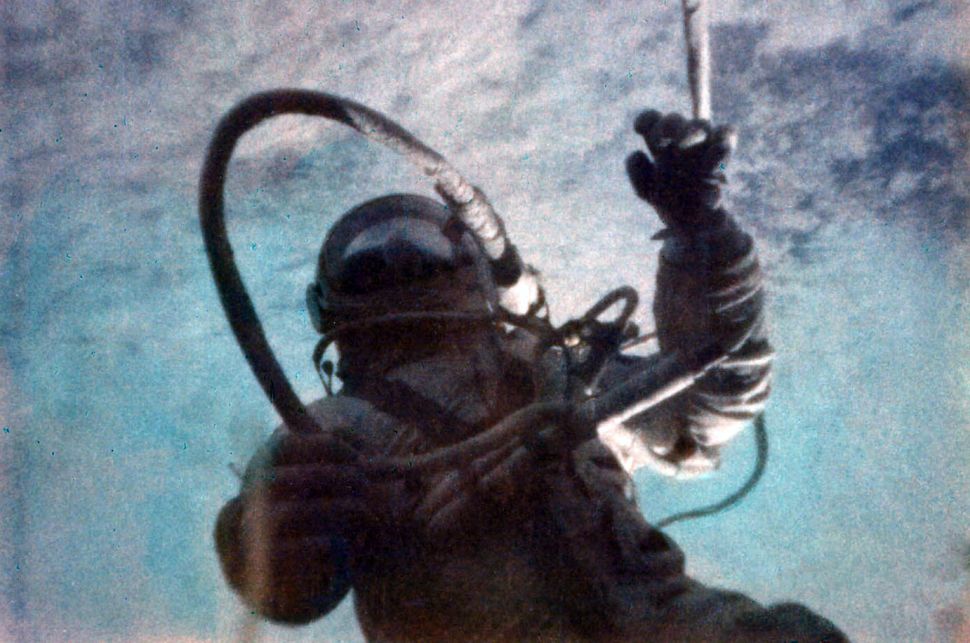
Alexei Leonov becomes the 1st human to perform a spacewalk,
beating out American rival Ed White on Gemini 4 by almost three months.
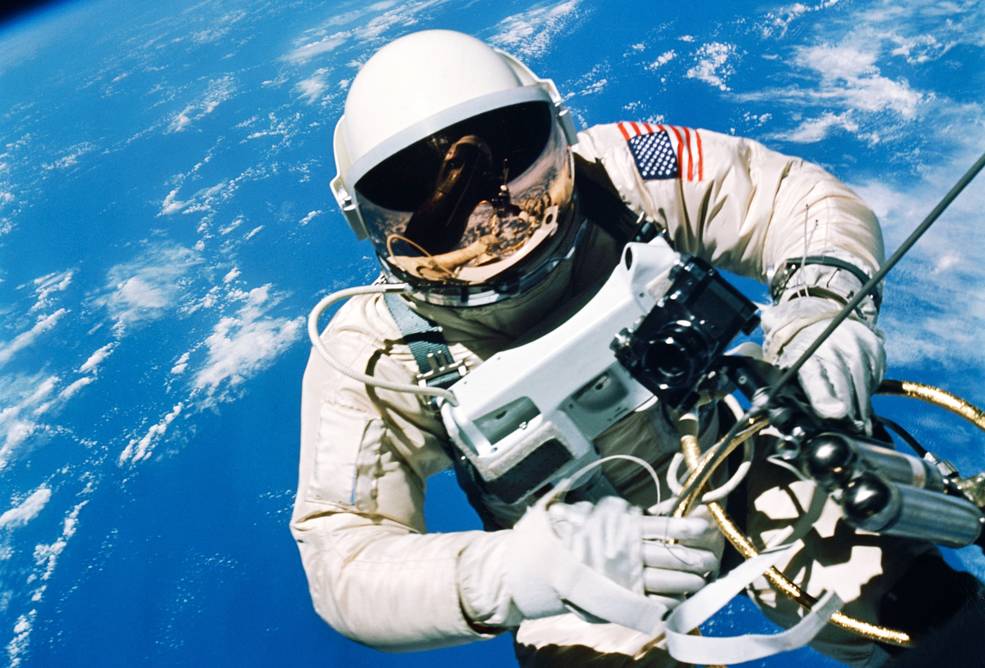
Astronauts James McDivitt and Ed White circled the earth 66 times in four days.
Ed White becomes the 1st American to perform a spacewalk.
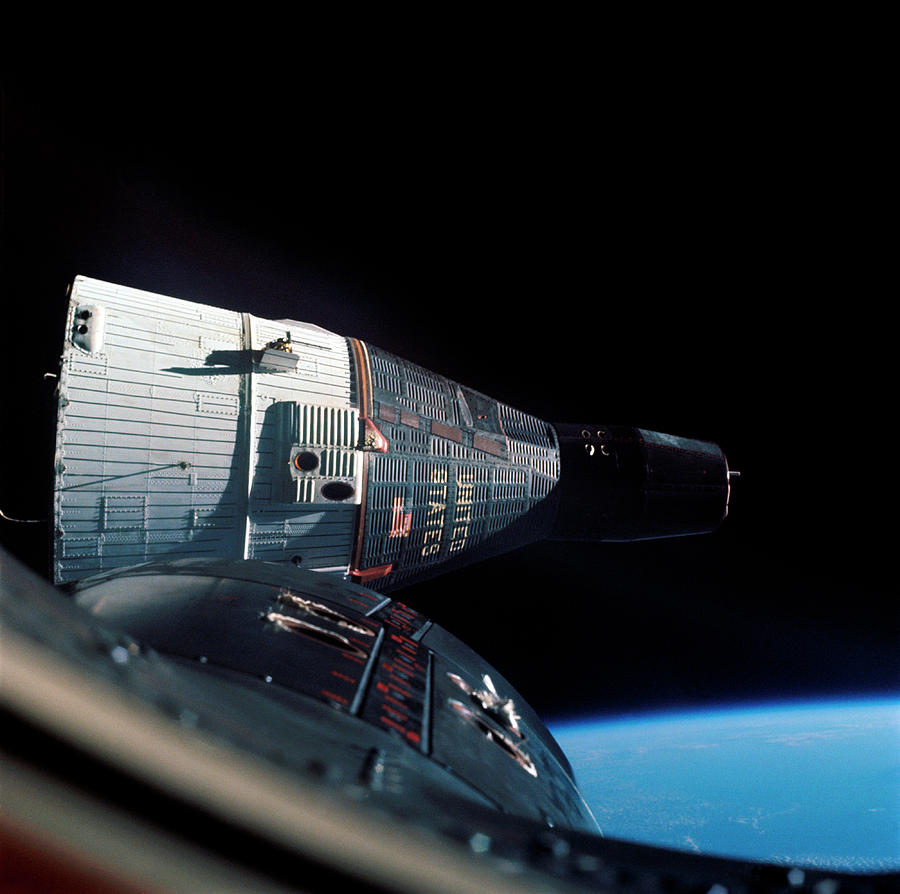
Frank Borman and Jim Lovell spend 2 weeks in low Earth orbit (Making this the
longest lasting mission in space). The Gemini programs goal was to test equipment and mission
procedures in Earths orbit and to train astronauts and ground crews for future Apollo missions.
- Ed White
_____________________________________
February 3rd
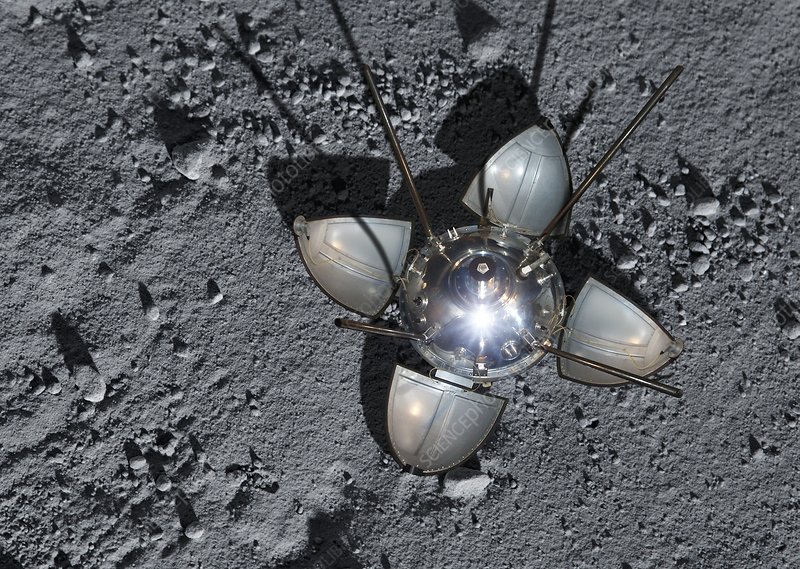
Luna 9 was an un-crewed space mission of the Soviet Union's Luna programme
that became the first spacecraft to achieve a survivable landing on a celestial body.
_____________________________________
March 16th
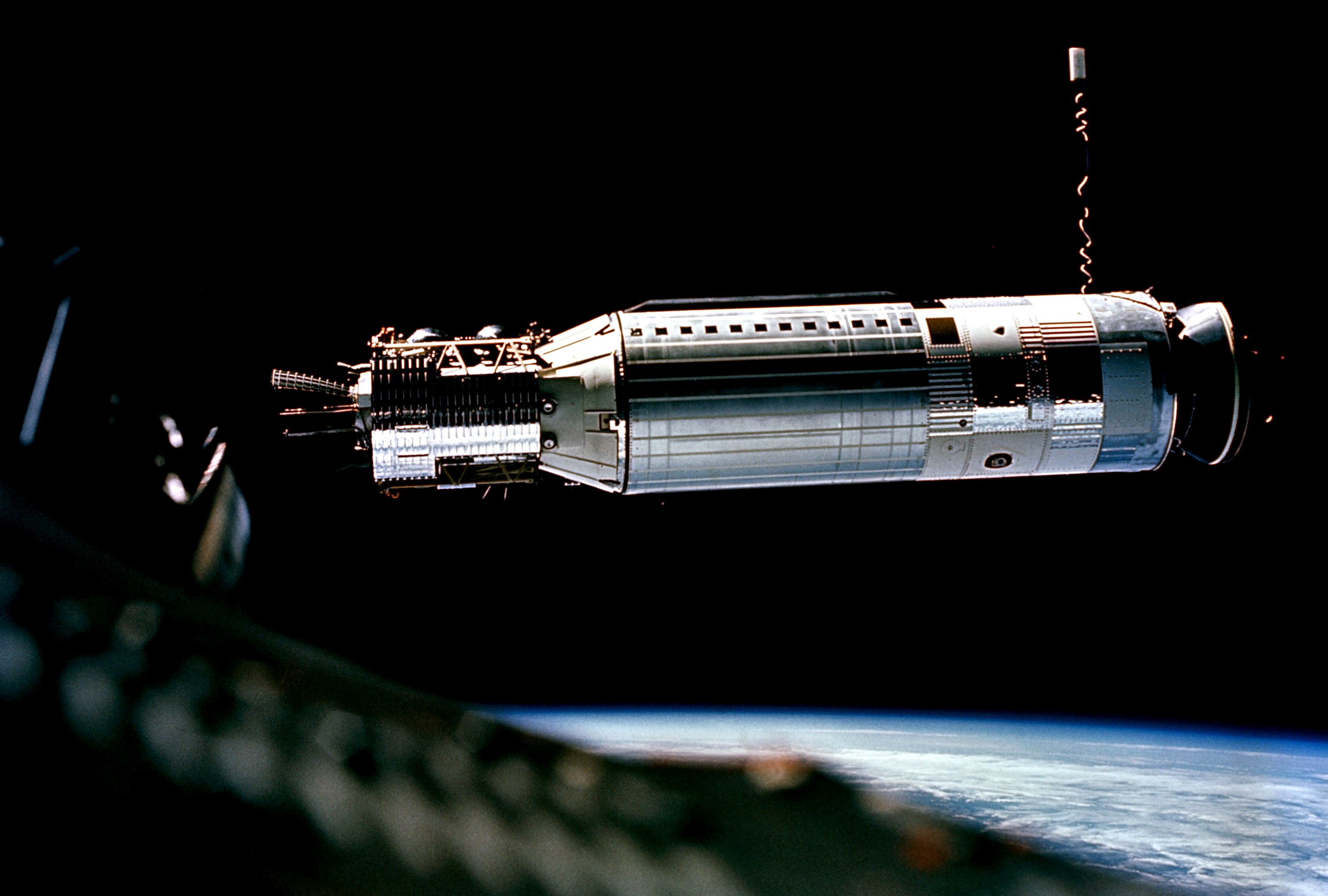
Neil Armstrong and Dave Scott perform the 1st successful docking
of 2 spacecrafts while in orbit.
_____________________________________
April 3rd
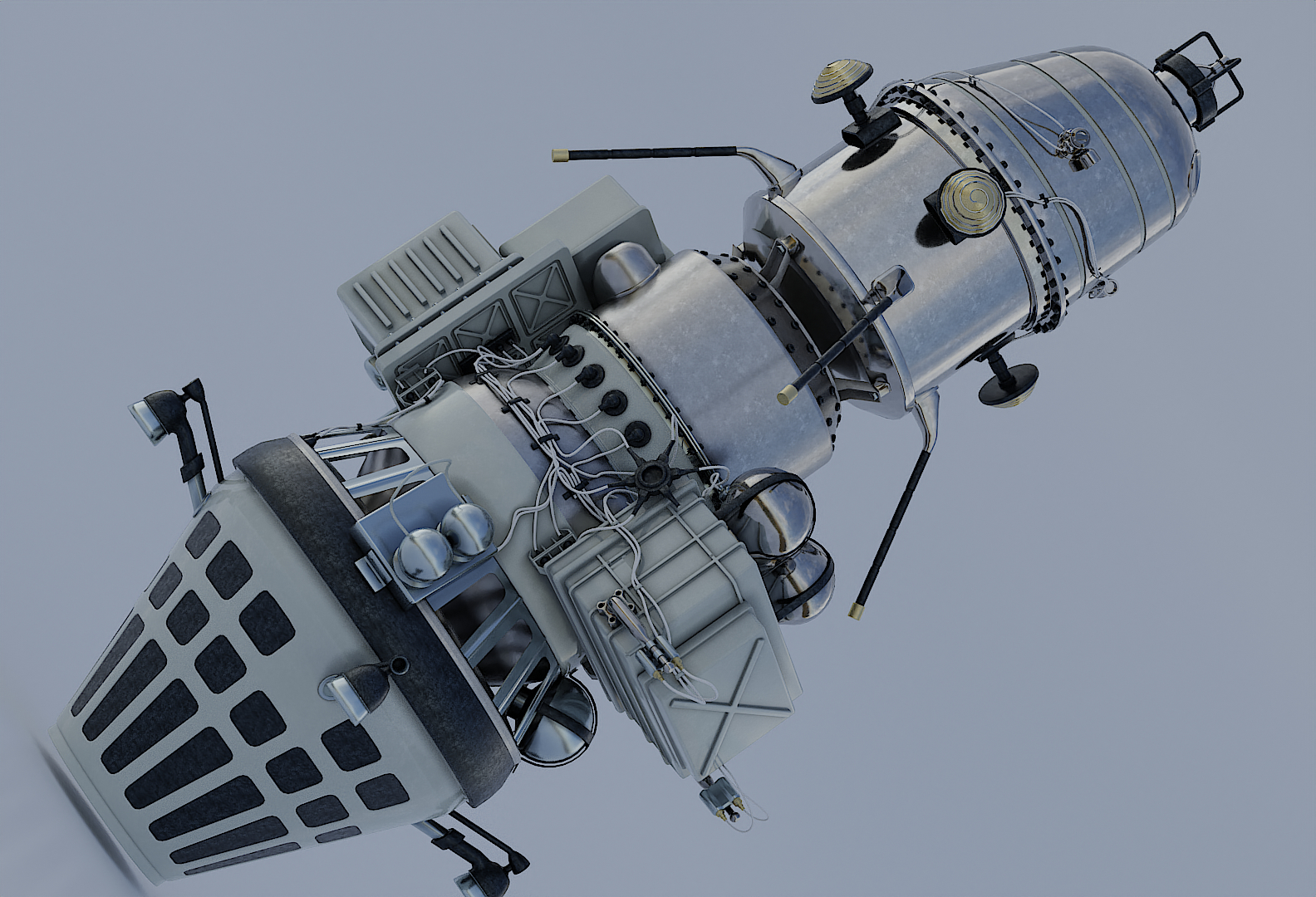
Luna 10 was the 1st artificial satellite to orbit the moon.
Luna 10 operated for 460 lunar orbits and performed 219 active data
transmissions before radio signals were discontinued on 30 May 1966.
- David Scott
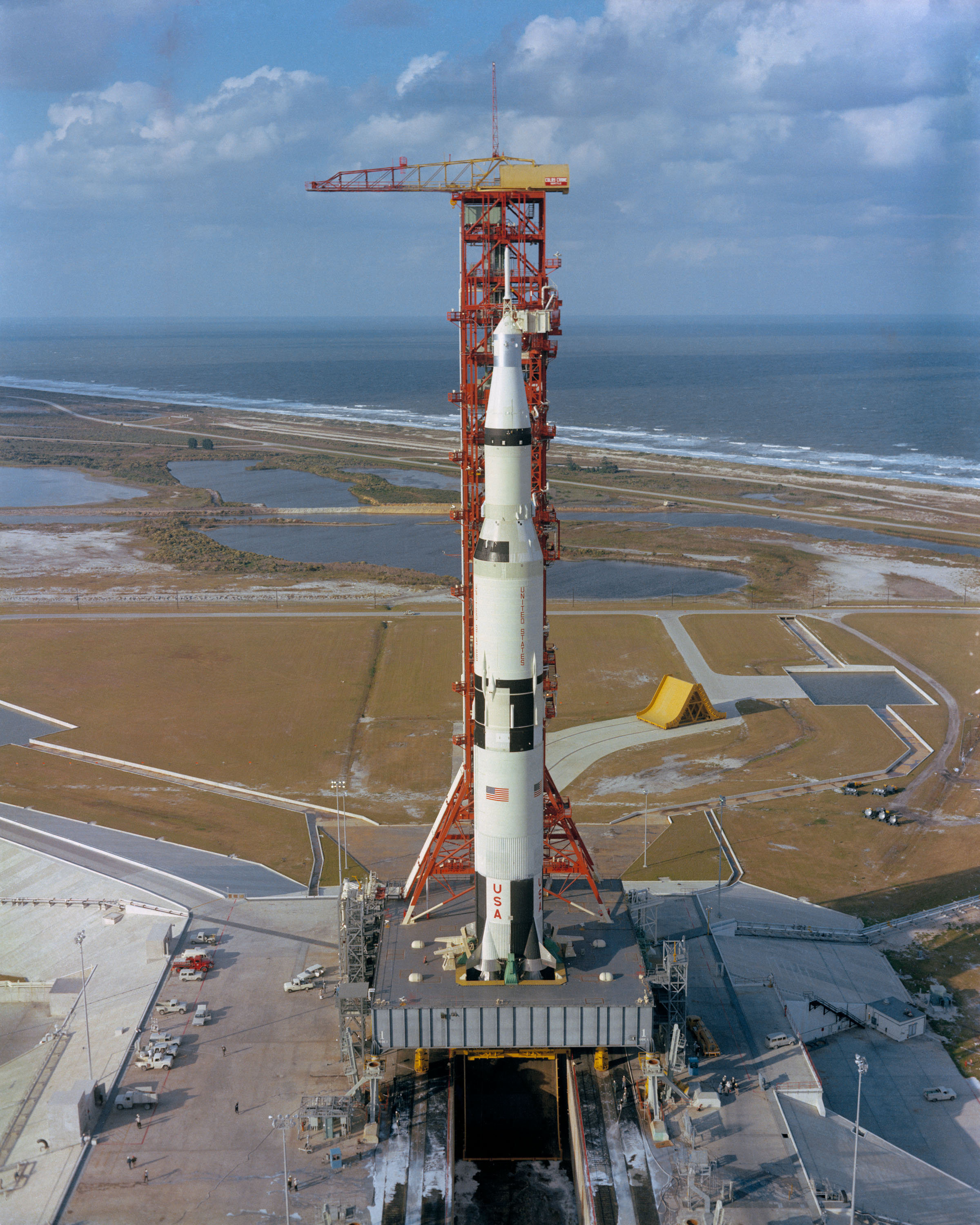
Apollo 4 was the first, un-crewed, flight in the United States' Apollo
program, and the first test of the Saturn V launch vehicle,
the rocket that would be used to send astronauts to the Moon.
- Astronaut Virgil I. Grissom
_____________________________________
September 14th
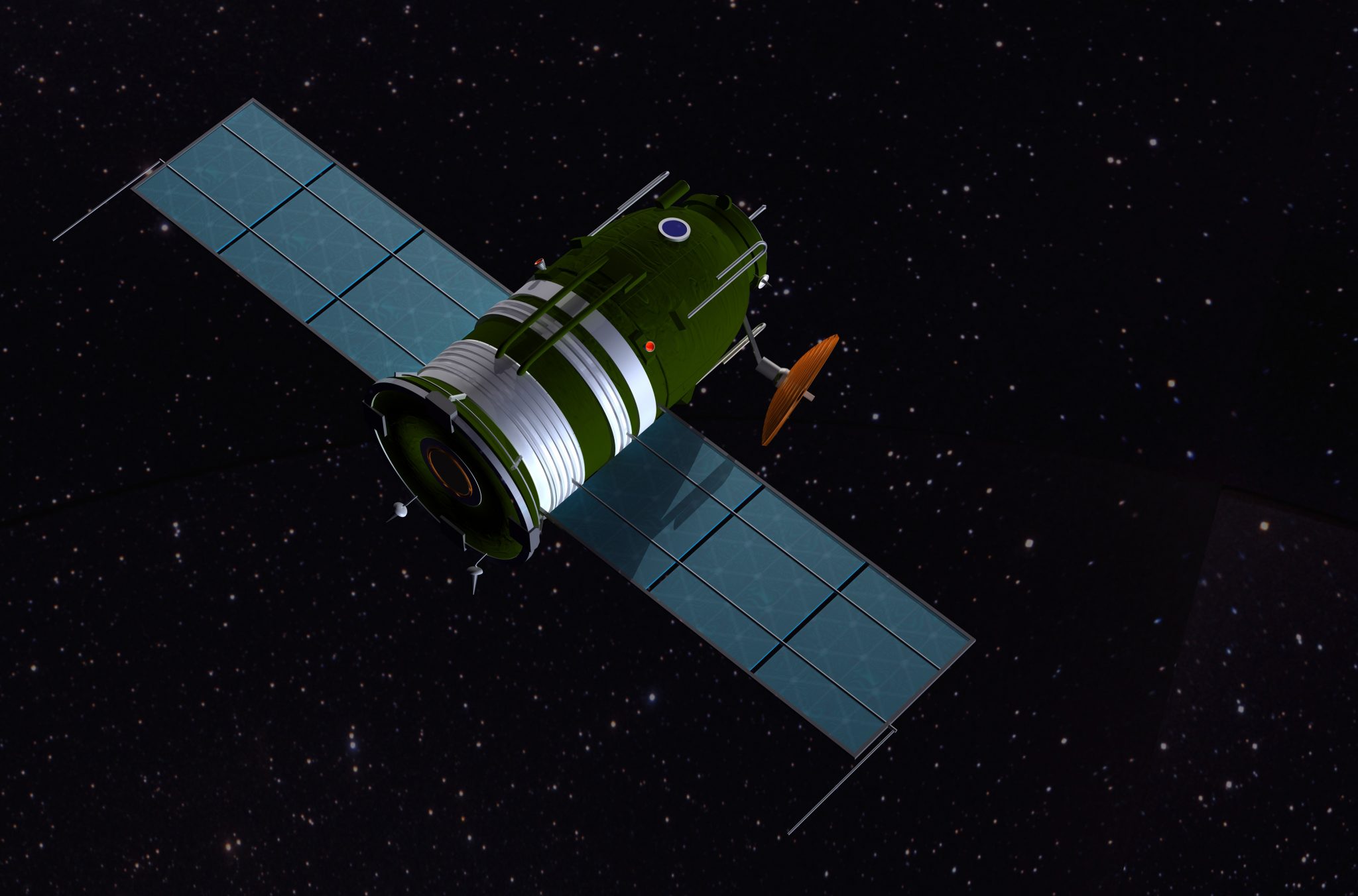
This was a spacecraft loaded with Tortoises, flies, meal worms and other living matter.
It flew around the moon and returned, becoming the second spaceship to travel to and circle the Moon,
the first Moon mission to include animals, and the first to return safely to Earth.
_____________________________________
December 21st
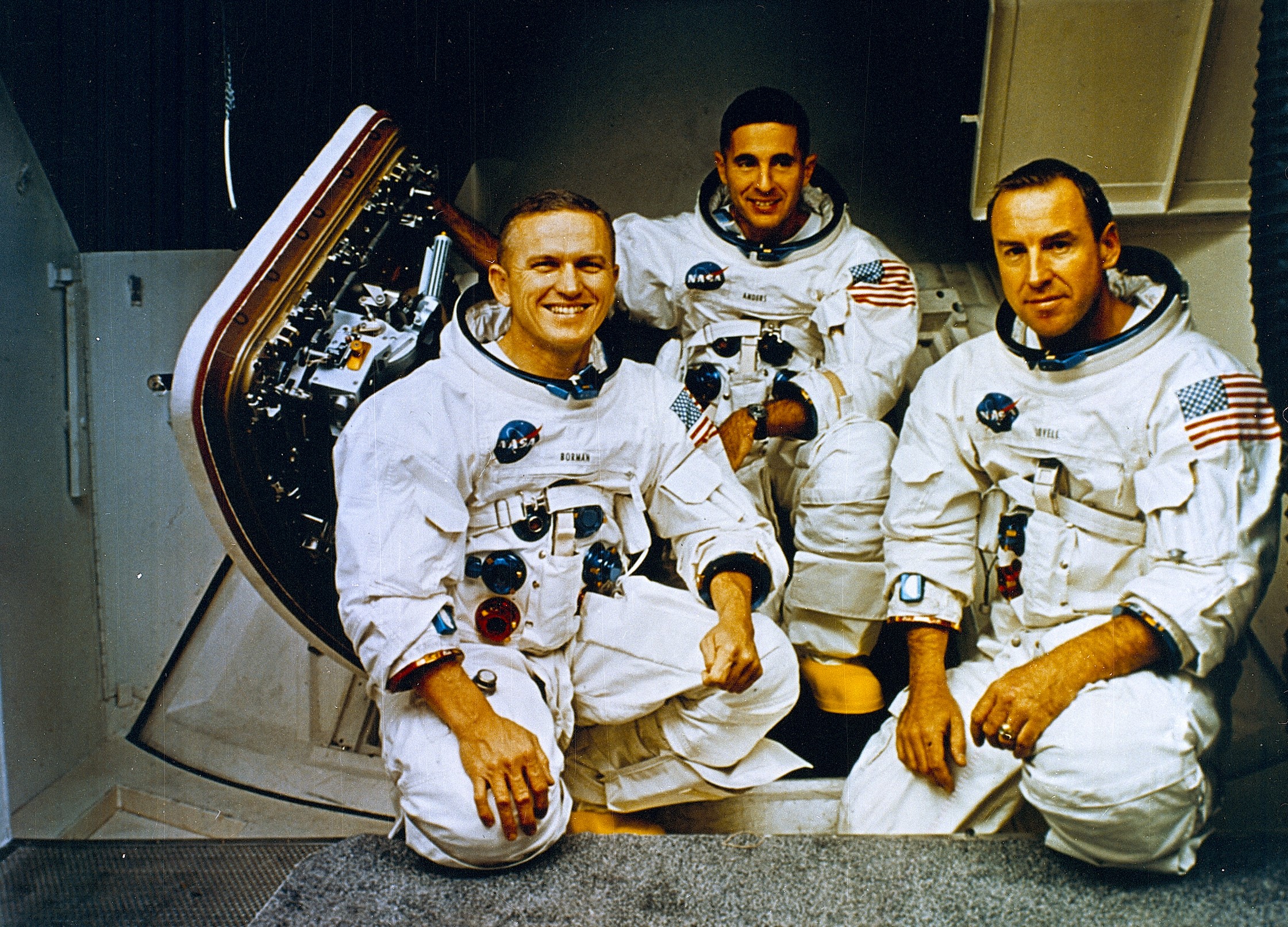
Frank Borman, Jim Lovell and Bill Anders became the 1st human-crewed
spaceflight to reach and orbit the moon. The crew orbited the Moon
10 times without landing, and then departed safely back to Earth.
- William M. Allen
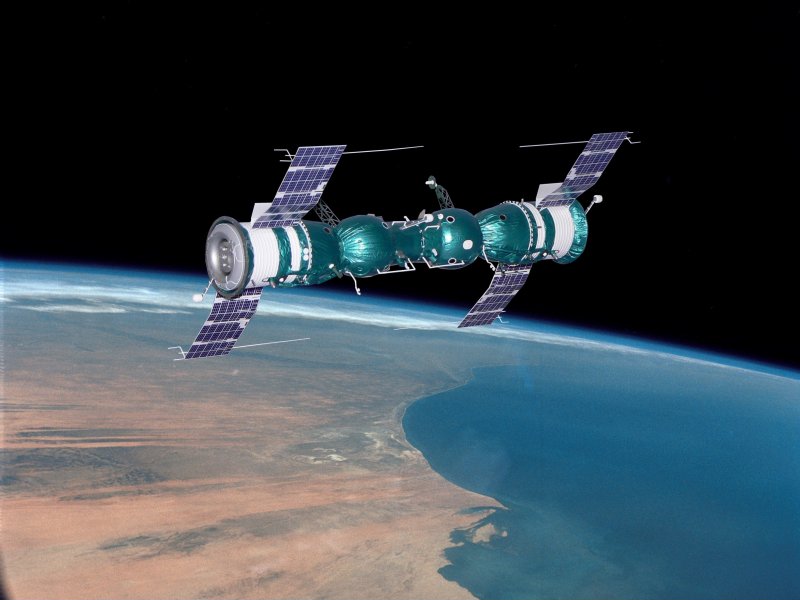
This was the 1st successful crew exchange in space
and the 1st docking of 2 manned spacecraft.
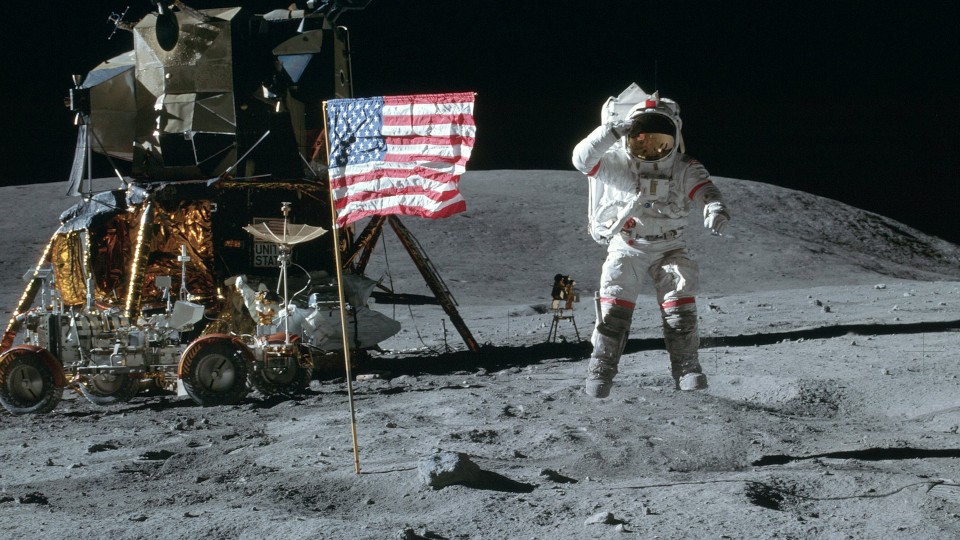
Neil Armstrong became the 1st man to walk on the moon.
This was the first human moon landing. Neil Armstrong and Buzz Aldrin
walk on the moon, while Michael Collins orbited above.
America won the race to the moon.
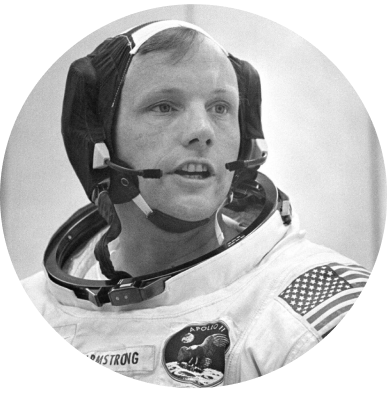
- Plaque on lunar module

- Britannica, T. Editors of Encyclopaedia (2021, May 6). Apollo. Encyclopedia Britannica. [https://www.britannica.com/science/Apollo-space-program](https://www.britannica.com/science/Apollo-space-program)
- Nasa. (2021) Apollo 11 Mission [online]. Available at: [https://www.nasa.gov/mission_pages/apollo/missions/apollo11.html](https://www.nasa.gov/mission_pages/apollo/missions/apollo11.html) (Accessed: 05 April 2022).
- Letterboxd. (2021) Letter Boxd [online]. Available at: [https://letterboxd.com/](https://letterboxd.com/) (Accessed: 07 April 2021).
- Garber, S. and Messer, T., 2022. Animals in Space. [online] History.nasa.gov. Available at: <https://history.nasa.gov/animals.html> [Accessed 1 May 2022].
- Spaceanswers.com. 2022. Five amazing facts about the Soviet space programme | Space Facts – Astronomy, the Solar System & Outer Space | All About Space Magazine. [online] Available at: <https://www.spaceanswers.com/space-exploration/five-amazing-facts-about-the-soviet-space-programme/> [Accessed 19 April 2022].
- bluejayblog. 2022. Luna II. [online] Available at: <https://bluejayblog.wordpress.com/2013/09/12/luna-ii/> [Accessed 27 April 2022].
- Rmg.co.uk. 2022. Space Race Timeline. [online] Available at: <https://www.rmg.co.uk/stories/topics/space-race-timeline> [Accessed 27 April 2022].
- Nssdc.gsfc.nasa.gov. 2022. NASA - NSSDCA - Spacecraft - Details. [online] Available at: <https://nssdc.gsfc.nasa.gov/nmc/spacecraft/display.action?id=1959-012A> [Accessed 1 May 2022].
- NASA Solar System Exploration. 2022. Earth's Moon. [online] Available at: <https://solarsystem.nasa.gov/moons/earths-moon/overview/> [Accessed 1 May 2022].
- HISTORY. 2022. NASA created. [online] Available at: <https://www.history.com/this-day-in-history/nasa-created> [Accessed 26 April 2022].
- Walbolt, K., 2022. 10 Things to Know About Explorer 1, America's First Satellite – NASA Solar System Exploration. [online] NASA Solar System Exploration. Available at: <https://solarsystem.nasa.gov/news/285/10-things-to-know-about-explorer-1-americas-first-satellite/> [Accessed 1 May 2022].
- Medium. 2022. How a Drunk Driver Led to the Birth of Russia’s Sputnik 1. [online] Available at: <https://medium.com/science-and-philosophy/the-birth-of-sputnik-1-korolev-von-braun-and-the-drunken-driver-be29385ababf> [Accessed 1 May 2022].
- California Science Center. 2022. Mercury-Redstone 2. [online] Available at: <https://californiasciencecenter.org/exhibits/air-space/humans-space/mercury-redstone-2> [Accessed 1 May 2022].
- The Planetary Society. 2022. Yuri Gagarin and Vostok 1, the First Human Spaceflight. [online] Available at: <https://www.planetary.org/space-missions/vostok-1> [Accessed 1 May 2022].